














The comparative value method: How property value is determined
The comparative value method is regarded as one of the most accurate methods for valuing property. It reflects actual demand in the property market. But in which situations is it really suitable, and what should one bear in mind?
How does the comparative value method work?
The basic principle behind the comparative value method is simple: A property is worth as much as buyers are willing to pay for it. Demand plays a crucial role in this:
- High demand can significantly increase a property’s value.
- Low demand leads to a lower value.
This method is primarily used for types of property for which there are many comparable properties, such as:
- Flats
- Terraced houses
- Undeveloped plots of land
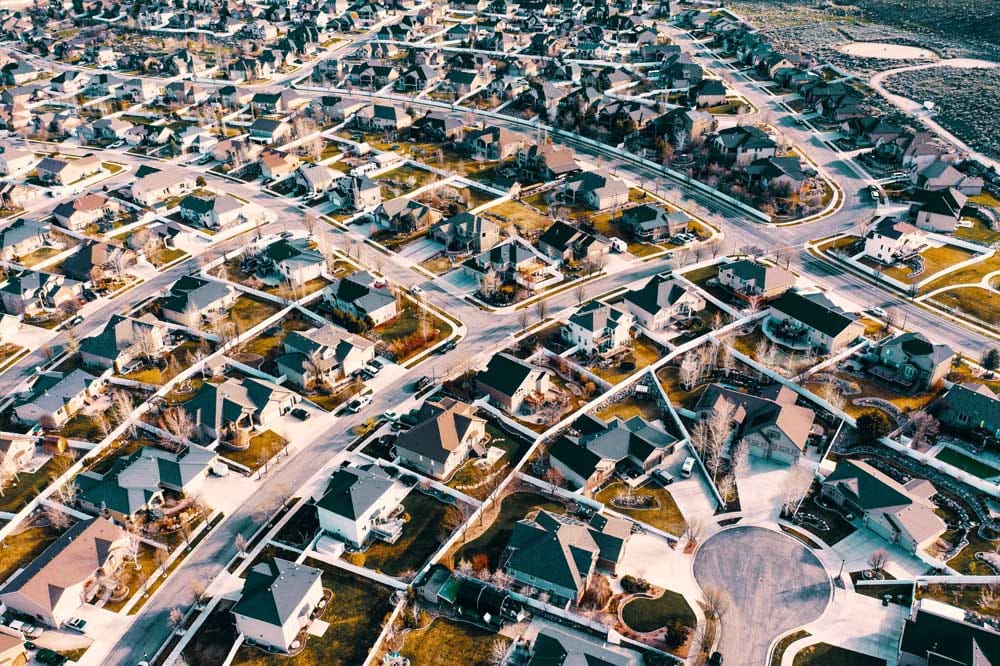
In towns and cities in particular, it is often possible to find flats or houses in similar locations, of similar sizes and with similar facilities. In rural areas, this is often more difficult.
The data source: collections of purchase prices and standard land values
The basis for the comparative value method is formed by the Purchasing price collections the local valuation committees. These contain all notarised property sales and enable a precise analysis.
If there is insufficient comparative data, experts also make use of the Land value guide map. This contains:
- Property values by location
- Information on the building’s use
Premiums and discounts affect the value
When carrying out a valuation, a professional estate agent also takes individual factors into account, such as:
- Traffic conditions: A property on a busy road is worth less than one in a quiet cul-de-sac.
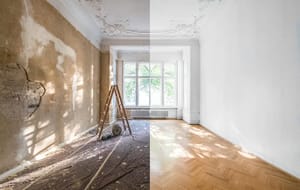
- Condition: Renovations or modernisation increase the value.
- Let status: A let flat can be worth up to 20 % less than a vacant property.
When is the comparative value method not appropriate?
If there are too few comparable properties available, or if the property is unique, experts resort to Asset value method. In this case, the value of the property is determined on the basis of the construction and land costs.
Conclusion: Accurate assessment by experts
The comparative value method offers many advantages, but requires reliable data and experience. A professional estate agent is familiar with regional characteristics and ensures a realistic valuation.
✉️ Would you like a professional property valuation?
Get in touch! We’ll provide you with a reliable valuation of your property and advise you on the most suitable methods.

Robert Schüßler
Property valuer (EIA and IHK)
Photo: © Michael Tuszynski/pexels.com