






1. what does the abolition of the solar cap mean?
On 18 June 2020, the German parliament decided to lift the funding limit of 52 gigawatts of installed solar capacity. Important changes:
- Feed-in tariff: Also guaranteed by law for newly installed systems up to 750 kWp.
- No financial uncertainty: Building owners can expect stable subsidy conditions.
- Funding secured: Existing systems retain the EEG remuneration for the full 20 years.
2. focus on own consumption
For building owners, self-consumption remains the most economically viable option:
- Cheap electricity: Self-generated solar power is significantly cheaper than household electricity from the supplier.
- Efficient utilisation: Systems are increasingly being designed to meet their own needs.
- Feed-in tariff: Supplements financing, despite falling feed-in tariffs (below 10 cent/kWh).
3. what would have happened without the abolition?
Without the abolition of the solar cap, new systems would no longer have been subsidised under the EEG. Effects:
- No remuneration: Newly installed systems exceeding the 52 GW limit would not have received feed-in tariffs.
- Old plants: Existing plants would have continued to be subsidised for 20 years.
- Financial risks: The profitability of new projects would have been unclear.
Would you like to find out whether a photovoltaic system will add value to your property? Get in touch with us. We are happy to advise you!
Further information
- Market data on the solar industry
- Photovoltaics in Germany
- Solar energy at the Federal Environment Agency
Legal notice: This article does not constitute tax or legal advice. Please consult a lawyer or tax advisor for your individual case.
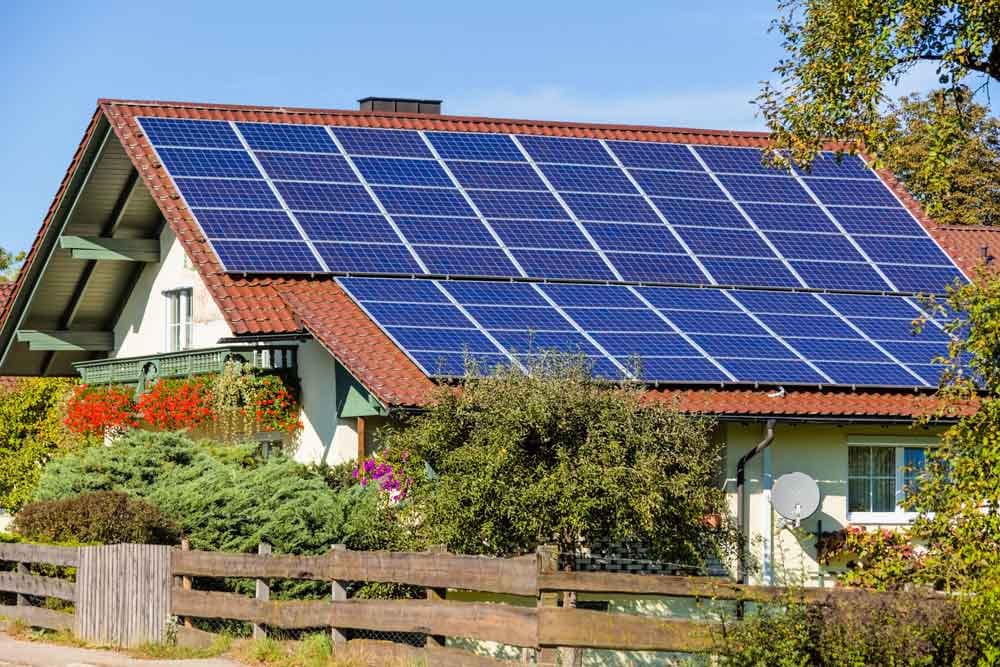
Photo: © ginasanders/Depositphotos.com