















Old buildings meet the future: how sensible is it to retrofit a solar energy system to older properties?
The energy transition does not stop at historic walls. More and more owners of old buildings are asking themselves this question: Is it worth retrofitting a solar system on my building? The combination of energy-efficient refurbishment and modern photovoltaic technology not only promises lower energy costs, but also makes an important contribution to climate protection. However, a number of special features need to be taken into account, especially in older properties - from the structural design of the roof to aesthetic integration.
Technical requirements for old buildings
Old buildings, especially those built before 1970, were constructed without modern energy technology in mind. For this reason, a number of technical principles must be checked before a solar energy system can be installed:
- ElectricsThe electrical system must meet modern standards, as the photovoltaic feed-in is integrated into the domestic grid. Outdated fuse boxes or a lack of earthing are a no-go.
- Counter locationA bidirectional meter is often required for a PV system, which needs sufficient space in the fuse box.
- Insulation standardIn poorly insulated buildings, the energy savings from solar power can quickly evaporate - here it is worth combining photovoltaics with energy-efficient refurbishment.
An energy consultant can show how solar technology can be integrated efficiently as part of a customised renovation roadmap.

Roof alignment and statics
A key aspect of retrofitting is the roof. While new buildings today are often planned with PV potential right from the start, this is often more complicated for older buildings.
Roof alignment
- OptimalSouth-facing with 30-45 degree inclination
- GoodSouth-east or south-west, flat roofs with elevation also work
- The challengeNorth-facing roofs, dormer windows or very steep roofs - the electricity yield decreases here, but with high-performance modules or east/west systems it is often still possible to retrofit sensibly.
Statics
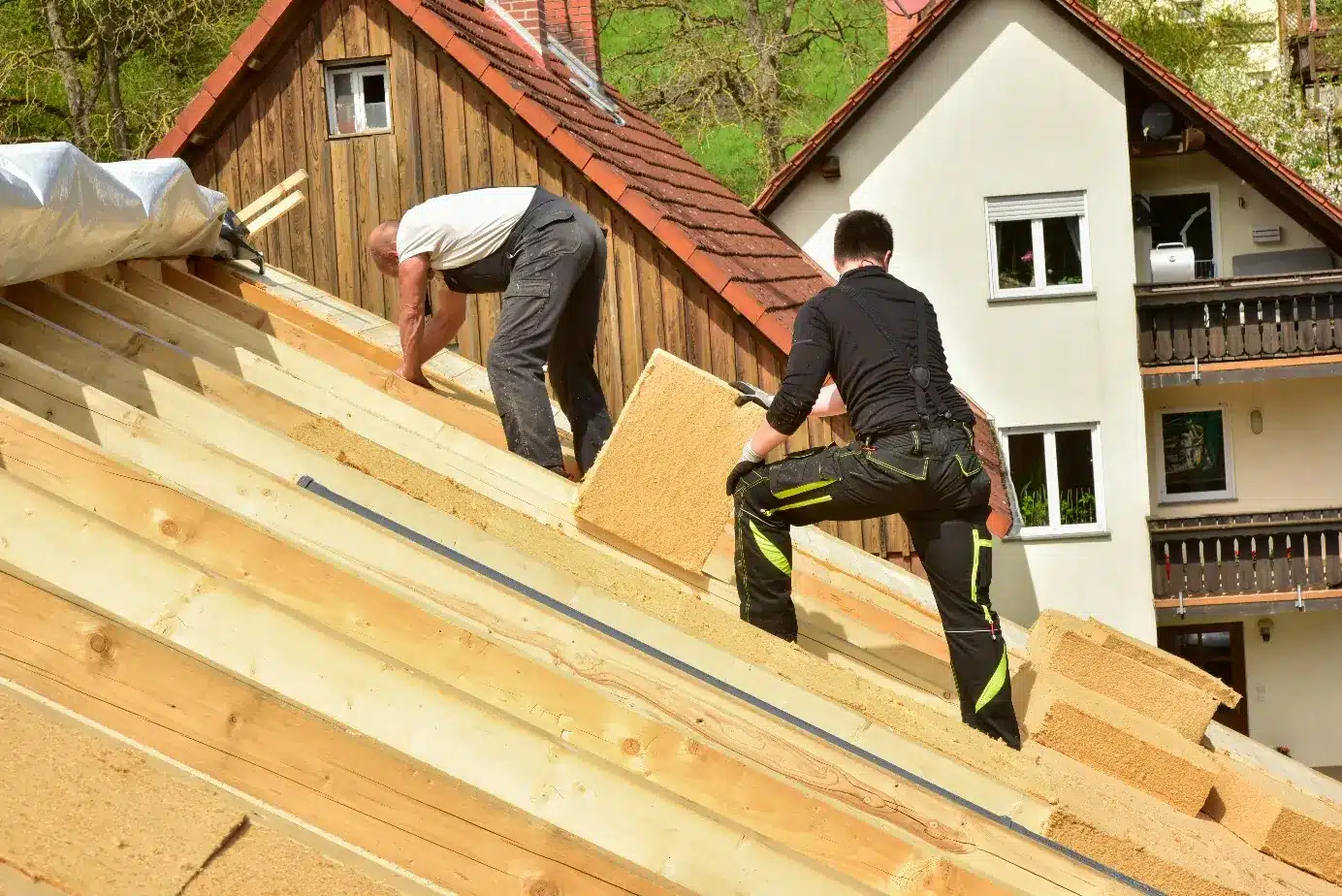
The roof structure must be able to bear the additional load from the modules and mounting systems. Particularly in the case of old tiles or wooden beam constructions, a structural inspection by a specialist is mandatory. In the case of flat roofs or slate roofs, special requirements also apply to the fastening.

Combination with energy-efficient refurbishment
Retrofitting a solar energy system often only realises its full potential in combination with other measures:
- Roof insulationIf you are renovating the roof anyway, you can include modules at the same time - this saves scaffolding costs.
- Window and façade insulationGood insulation reduces overall energy consumption so that a higher proportion of the solar power can be utilised.
- Heating renewalThe combination of PV system and heat pump is particularly economical thanks to self-generated electricity - especially if a storage system is integrated.
Many subsidy programmes (e.g. KfW or BAFA) offer grants or low-interest loans if several refurbishment measures are combined. This reduces the economic burden - and the environment benefits in several ways.
Experience reports from the field
More and more homeowners are opting for solar retrofitting. A look at real-life examples shows that old buildings and solar technology need not be a contradiction in terms.
Example 1: Wilhelminian style villa with new energy
The L. family from Berlin-Pankow had their over 100-year-old townhouse renovated - including roof insulation and a 9 kWp solar power system. The roof was structurally reinforced and the PV system integrated inconspicuously. Today, they cover around 40 % of their electricity needs themselves and save around 1,500 euros a year.
Example 2: Refurbished semi-detached house from the 50s
In Freiburg, a couple have upgraded their semi-detached house with solar thermal and PV - combined with a new gas heating system. The feed-in tariff reduces the monthly costs and the system has paid for itself in around 10 years, according to the owners.
Example 3: Flat roof solution in an old apartment block
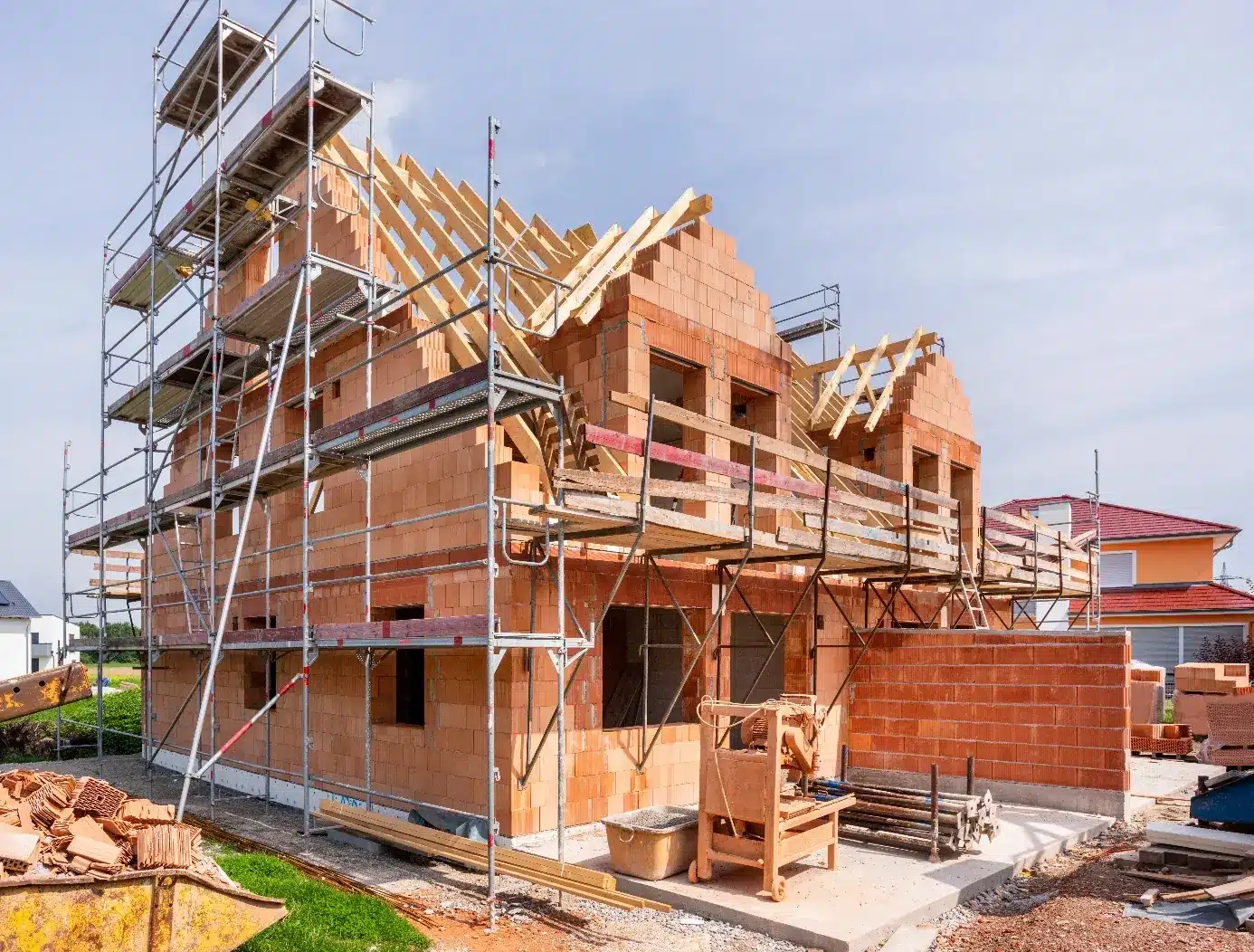
A property manager in Leipzig equipped an old apartment block with PV, the electricity from which is available to the tenants on a pro rata basis (tenant electricity model). The challenge here was the elevation on the flat roof and the legal structure. Conclusion: worthwhile - for both owners and tenants.
Conclusion: Yes, solar on old buildings is worthwhile - with good planning
Retrofitting a solar energy system to an old building is not a sure-fire success - but it can be an extremely sensible investment. If you take the opportunity during a conversion or renovation, you not only modernise your home in terms of energy efficiency, but also increase the property value and reduce operating costs in the long term.
A few important tips at the end:
- Leave the Check feasibility professionally, e.g. by an energy consultant or specialised PV company.
- Think holisticA solar thermal system is particularly effective in combination with insulation and efficient heating.
- Use State subsidies, to cushion the initial investment.
- Also keep the Aestheticsin mind - an in-roof or façade solution can be a good option, especially for listed buildings.
Old building meets the future? Yes - with the right preparation and technology, your home will also become a little more energy-efficient and sustainable. You can also find a checklist for your renovation below.
Checklist: Solar system in an old building - what you should consider
1. technical inspection & requirements
Check the condition of the electrical installation (RCD, earthing, meter location)
Inspect the condition of the roof and roof covering (tiles, slates, etc.)
Have the roof statics checked by a specialist
Clarify access and space for inverter & battery storage if necessary
2. location analysis & potential
Roof orientation (ideally south, south-east or south-west)
Roof pitch (ideal: 30-45°)
Check shadow impact (trees, neighbouring buildings, chimneys)
Calculate the area and usability of the roof (at least 20-30 m² makes sense)
3. combination with refurbishment measures
Is the roof in need of renovation? → Combining saves costs
Thinking about façade or roof insulation?
Replace old heating technology → with a heat pump or hybrid solution?
4. economic efficiency & promotion
Calculate the costs of the system (incl. installation, grid connection, storage tank if applicable)
Check own consumption vs. feed-in
Check funding opportunities:
- KfW funding programmes (e.g. „Climate-friendly new build“, refurbishment)
- BAFA subsidies (e.g. for storage tanks or heating systems)
- Regional subsidies (federal state, municipality)
Calculate amortisation period (usually 8-15 years)
5. regulatory & legal aspects
Clarify authorisation requirements (e.g. for listed buildings or design statutes)
Registration with the network operator
Registration in the market master data register
Check insurance (building & liability insurance)
6. design & integration
Visual integration into the façade or roof shape (especially in historic buildings)
Alternatives for difficult roof situations: e.g. façade PV, carport, garden solution
Thinking about a storage solution? (for more self-consumption)
7. specialised partners & implementation
Consult an energy consultant for planning and subsidy advice
Obtain quotations from certified solar installers (compare several!)
Arrange long-term maintenance & monitoring