
















Buying a property is one of life's biggest investments. A thorough inspection is therefore crucial in order to recognise hidden defects and realistically estimate the purchase price. In this blog post, you will find out what you need to look out for during the inspection, which defects can reduce the purchase price and whether an expert opinion or building surveyor is required.

1. what do I need to look out for during the viewing?
A thorough inspection goes far beyond first impressions. Here are the most important points you should consider:
1.1 First impression and surroundings
- Check positionWhat is the infrastructure like (schools, shopping facilities, transport links)?
- Test the noise level: Is there street noise or noisy neighbours?
- Observing the neighbourhoodDoes the living environment meet your expectations?
- Odour nuisanceAre there factories, sewage treatment plants or farms nearby?
- Flood riskIs the property in an endangered region?
1.2 Building fabric and condition of the property
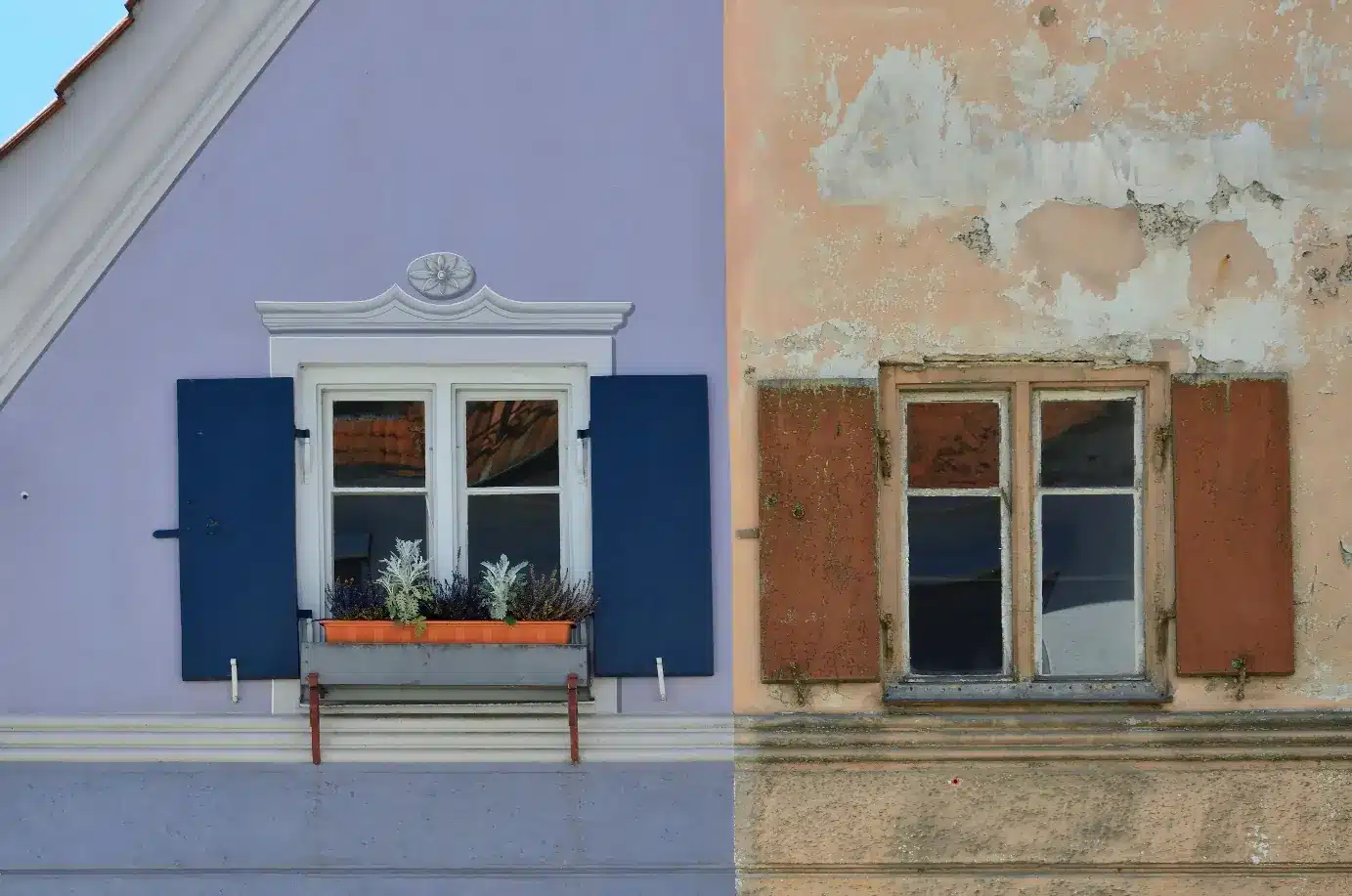
- Exterior facadeAre there cracks, moisture or flaking?
- Roof conditionIs the roof tight and in good condition?
- Windows and doorsAre they well insulated and functional?
- Cellar and attic: Are there any signs of damp or mould?
- InsulationIs the building well insulated?
1.3 Interiors and technical equipment
- Walls and ceilings: Water stains, cracks or mould growth?
- FloorsAre they stable or do they creak noticeably?
- Heating and sanitary facilities: Are they working properly?
- ElectricsAre the fuses and sockets in good condition?
- Water pipesIs there rust or limescale deposits?
- Drains: Is the sewerage system working smoothly?
- Odour test: Are there any musty or mouldy odours that indicate damp?
1.4 Documents and legal aspects
- Land register extractAre there any encumbrances or rights of way?
- Energy certificateHow high is the energy consumption?
- Building permitsAre all conversions authorised?
- Declaration of division (for condominiums)Are there any restrictions?
A detailed inspection checklist will help you not to overlook any important points.
2. are there any defects that could reduce the purchase price?
Certain defects can be used as arguments to negotiate the purchase price downwards. These include
2.1 Structural damage and need for refurbishment
- Moisture and mould: Indication of poor insulation or damp walls.
- Roof damageHigh costs for renewal.
- Windows outdatedIncreased heat loss, higher heating costs.
- Defects in heating or electricsOutdated systems can be costly.
- Cracks in the masonry: May indicate settling problems.
- Worn floorsRenewal can be expensive.
- Bathroom in need of renovationOld tiles or pipes may need to be replaced.
2.2 Floor plan and usability
- Unfavourable floor planDifficult room layout can reduce the quality of living.
- Low ceiling heights: May affect living comfort.
- Lack of storage spaceNo storage space or cellar available.
- Dark roomsPoor lighting can impair the feeling of living.
2.3 Energy efficiency and operating costs
- High energy consumptionOld heating systems and poor insulation lead to high ancillary costs.
- No energy certificateMandatory on sale, may reveal hidden defects.
- Asbestos or other harmful substancesCan result in costly renovations.
If these defects are present, a professional assessment of the refurbishment costs is worthwhile in order to demand an appropriate price reduction.
3. do I need an expert opinion or a building surveyor?
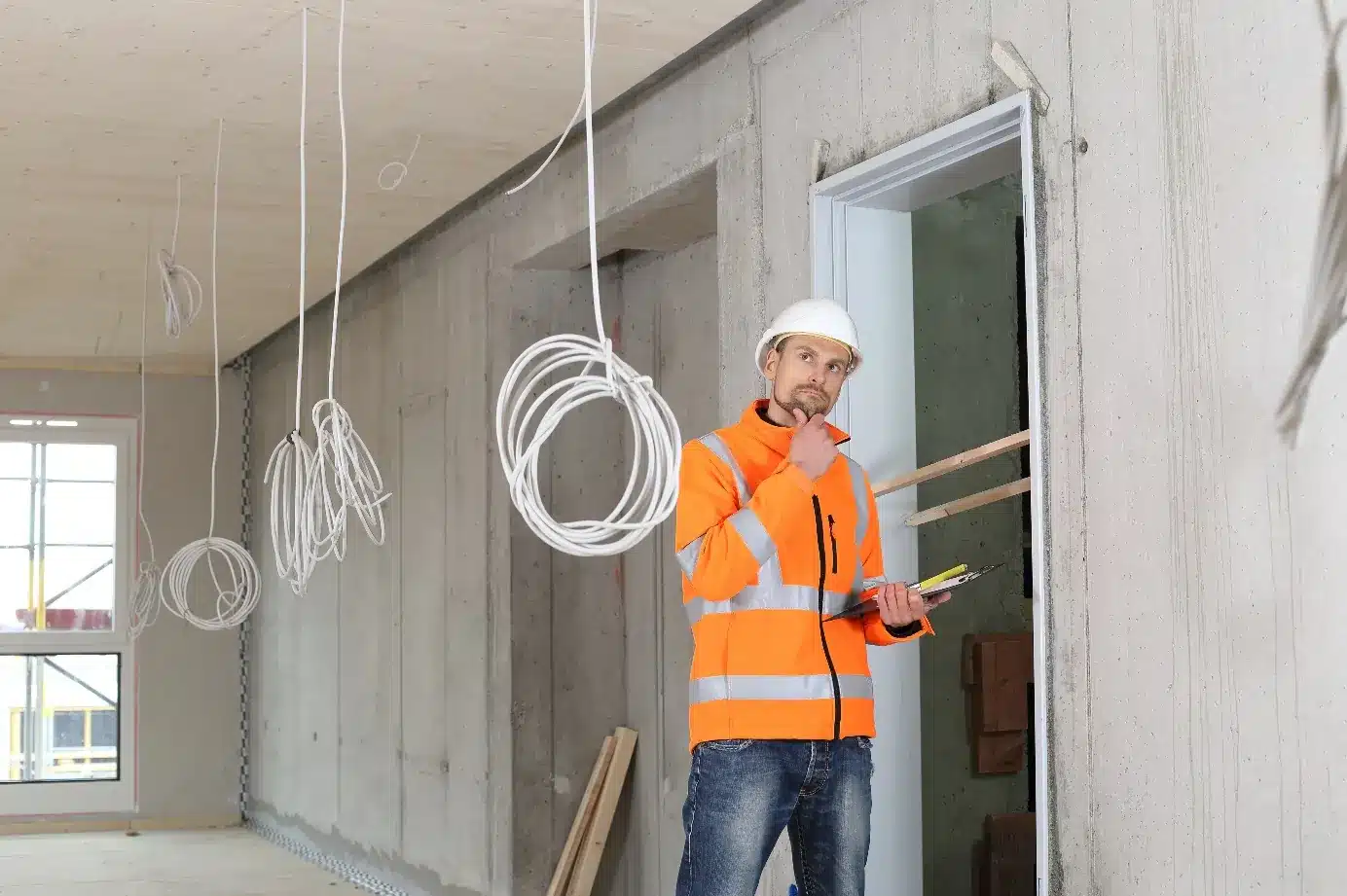
Not all defects are recognisable at first glance. An expert can help to uncover hidden damage and give you peace of mind when buying.
3.1 Advantages of a building expert
- Expert assessmentHe recognises construction defects that laymen often overlook.
- Cost estimateHelps to estimate the necessary refurbishment costs.
- Basis for negotiationA written expert opinion strengthens your arguments when discussing prices.
- Independent adviceHe has no economic interest in the property.
3.2 When is an expert opinion useful?
An expert opinion is particularly worthwhile if:
- The property is more than 20 years old.
- Obvious but difficult to assess defects are present.
- A major refurbishment is planned.
- The financing must be secured by the bank.
- A property is a listed building.
The cost of an appraisal is between 500 and 2,500 euros, depending on the scope - a worthwhile investment to avoid expensive bad purchases.
3.3 Alternatives to the full report
If you are unsure but do not want to pay the high cost of a full expert opinion, there are alternatives:
- Building advice on siteAn expert will accompany you during the inspection and give you an initial assessment (approx. 300-800 €).
- Brief expert opinionA compact analysis with a rough cost estimate (approx. 500-1,500 €).
Conclusion
A thorough inspection is essential in order to make an informed purchase decision. Check the property carefully, look for defects that could affect the purchase price and consult a building expert if you are unsure. This will ensure that you purchase a property that is not only visually appealing, but also represents a good long-term investment. If you are well prepared and consult experts, you can save a lot of money and avoid unpleasant surprises.