















A complete refurbishment is the ideal opportunity to bring a building up to the latest energy standards, improve living comfort and increase its value in the long term. In this context, replacing old windows is one of the most important modernisation measures - but only if it is done at the right time. This is because window replacement should not be considered in isolation, but should be carefully embedded in the overall refurbishment plan.
This blog post shows why the right timing The key factors to consider when replacing windows are the structural physics involved and which sustainable materials and technologies are available today.
Windows or façade - which comes first? The right order counts
Anyone who wants to replace both windows and the façade as part of a refurbishment project is often faced with a fundamental question: What should be done first - replacing the windows or insulating the façade?
The answer: Usually the windows first, then the façade.
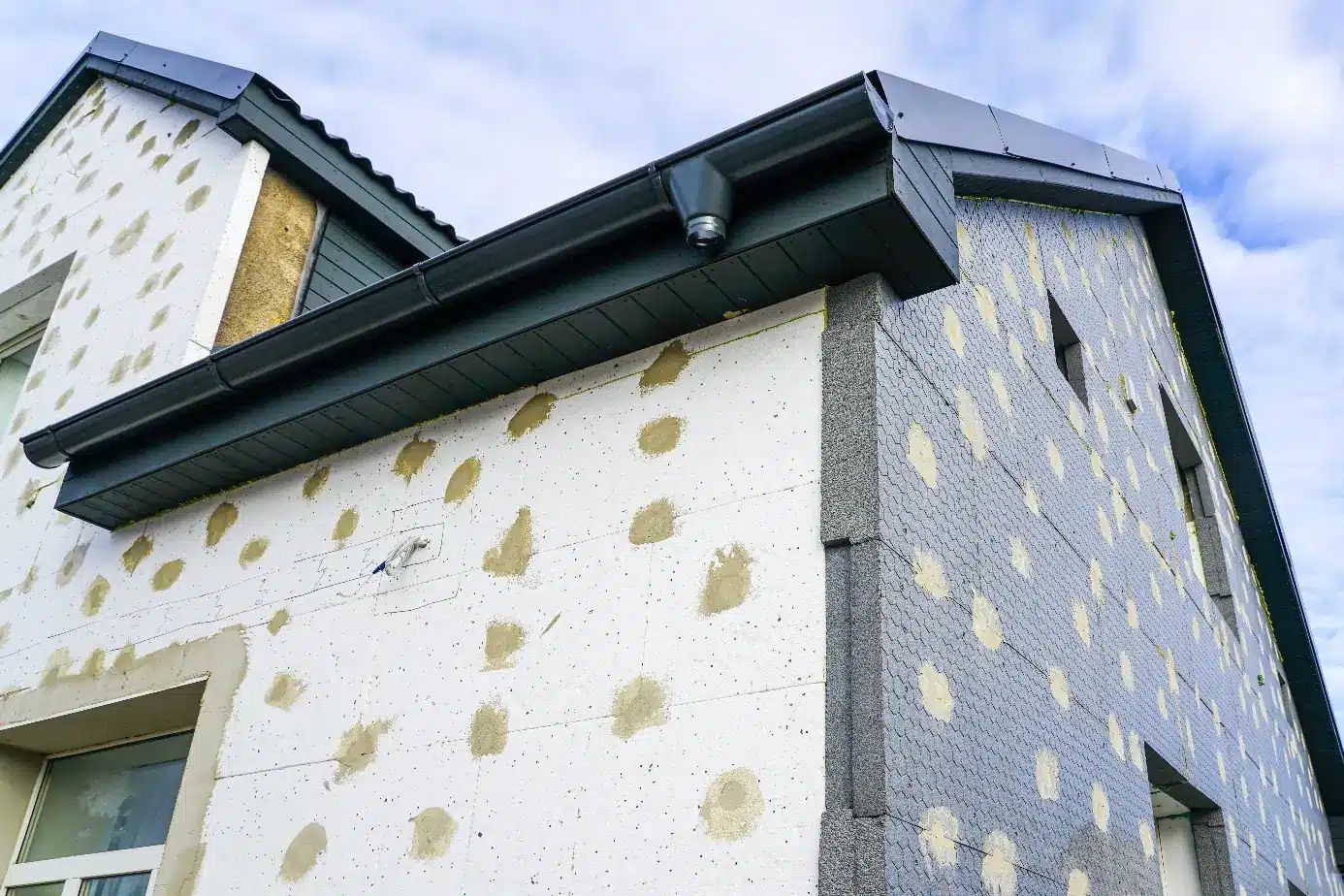
Why? Windows and façades must be harmonised in terms of energy efficiency. If the façade is insulated first and then larger windows are installed or different dimensions are selected, this often results in unclean connections, thermal bridges or a high level of reworking work. Conversely, the insulation can be optimally matched to the new windows - e.g. with reveal insulation or special installation frames.
Advantages with the correct sequence:
- Optimum sealing between window frame and outer wall
- Avoidance of thermal bridges
- Better protection against moisture and mould growth
- Reduction of construction costs through coordinated measures
Tip: In the case of complete refurbishments, it is worth getting comprehensive energy advice (e.g. from an energy efficiency expert) in order to plan the most sensible sequence and the technical solutions individually.
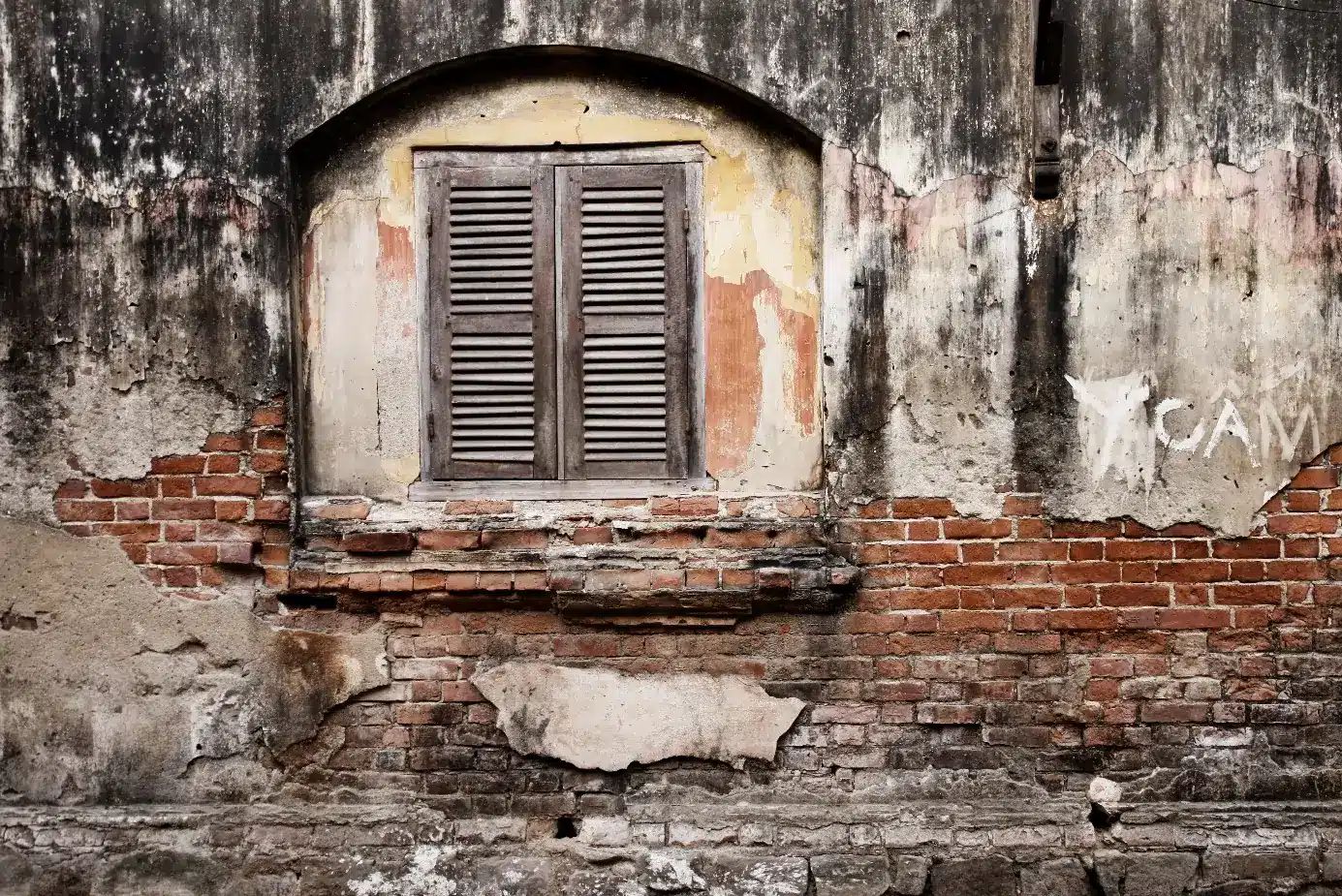
Understanding building physics: Avoid thermal bridges & moisture
Windows are critical points in the building envelope - especially in conjunction with new insulation or an airtight layer. If old windows remain in an otherwise well-insulated building envelope, the so-called Dew point (i.e. the point at which moisture condenses). This can lead to Moisture damage, mould growth or heat loss lead.
Typical building physics risks associated with improper window installation:
- Thermal bridgesat window reveals or connection points
- Condensationwith insufficient insulation
- Leakswith incorrect installation height or lack of airtightness
- Danger of mould, especially in old buildings without a ventilation concept
An energy-efficient window replacement therefore always includes the surroundings of the windows including connections, reveals, roller shutter boxes and window sills. Modern installation systems (e.g. pre-wall installation) allow the windows to be integrated into the insulation level without thermal bridges.
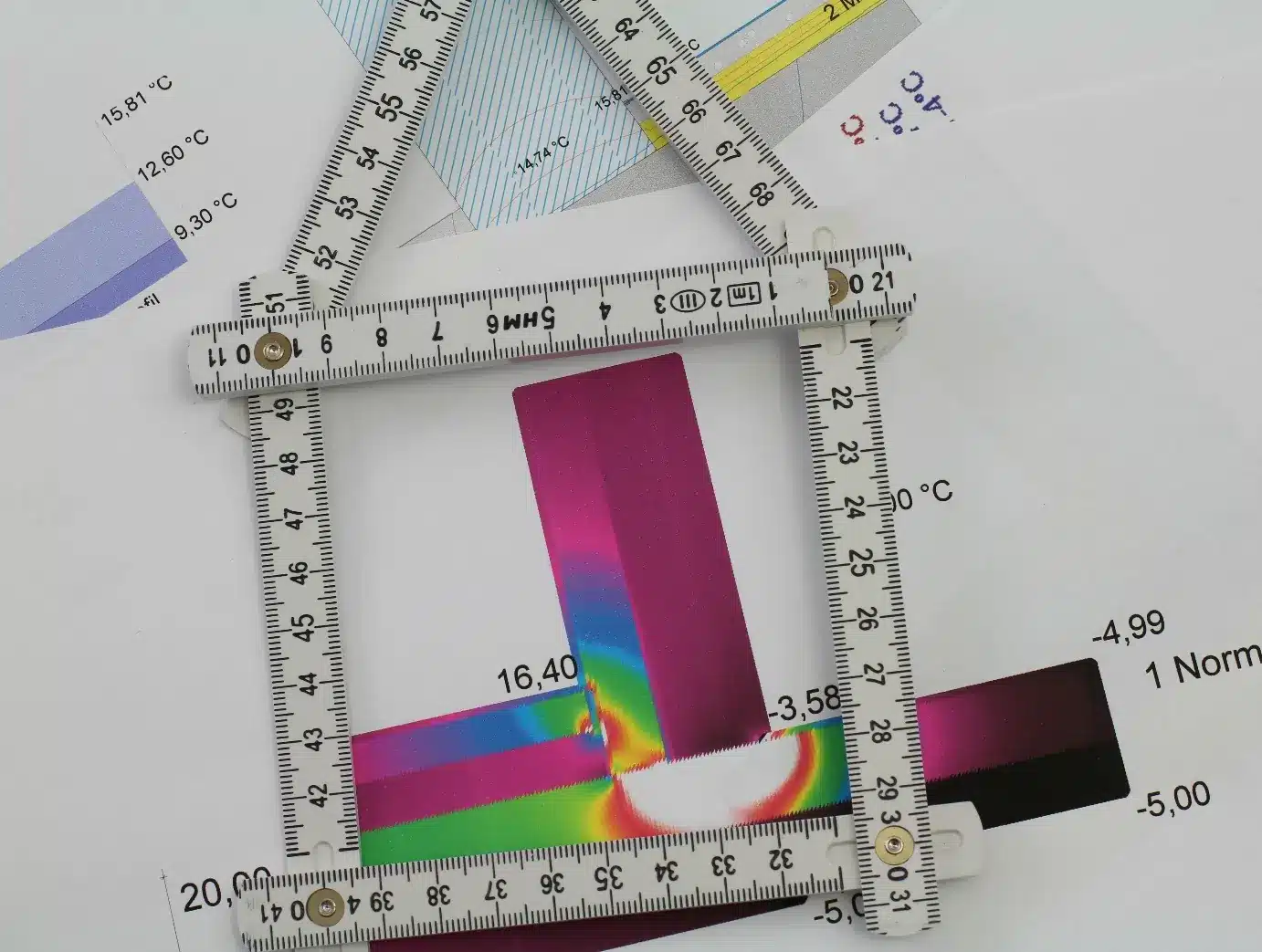
Sustainable materials & modern window technology
Modern windows are high-tech products that not only offer thermal insulation, but can also be ecologically sustainable. Different materials are available depending on the architectural style and personal preference:
Window materials at a glance:
- Plastic:Inexpensive, easy to clean, good insulating properties
- Wood:Natural, high-quality, ecological - but more maintenance-intensive
- Wood-aluminium:Combination of natural wood inside and weatherproof aluminium outside - durable and elegant
- Aluminium:Very robust and dimensionally stable, but poorer insulation values (usually in combination with thermal break)
Modern window technologies:
- Triple glazing:Today standard for energy-efficient construction (U-value < 1.0 W/m²K)
- Warm edge:Thermally optimised spacers between the glass panes to avoid thermal bridges
- Ventilation systems:Integrated window ventilation for controlled ventilation without energy loss
- Smart Home Integration:Sensors, motorised roller shutters and automated ventilation systems for greater comfort
Conscious use of materials can also have an impact on subsidies - for example, for refurbishments to the KfW Efficiency House Standard.
Don't forget subsidies and legal framework conditions
The replacement of windows as part of an energy-efficient refurbishment can be subsidised by various government programmes, e.g:
- Federal subsidy for efficient buildings (BEG)- via KfW or BAFA
- Grants for individual measures (e.g. 15 % for window replacement)
- Tax bonus for refurbishment measures (§ 35c EStG)
Important: The promotion must before measures must be applied for. The minimum technical requirements - such as a certain U-value - must also be met. It is best to submit the application together with a certified energy consultant.

Conclusion: Window replacement is a key factor for successful refurbishments
Windows are more than just openings to the outside - they are a central component of any complete refurbishment in terms of energy efficiency, appearance and function. Whoever at the right time, The benefits are manifold: greater living comfort, significantly reduced heating costs, increased property value - and an important contribution to climate protection.
Therefore: Plan your window replacement in conjunction with the façade renovation and involve experts as early as possible. This will help you avoid mistakes, make the most of subsidies - and ensure that your home is not only more beautiful, but also more efficient.