












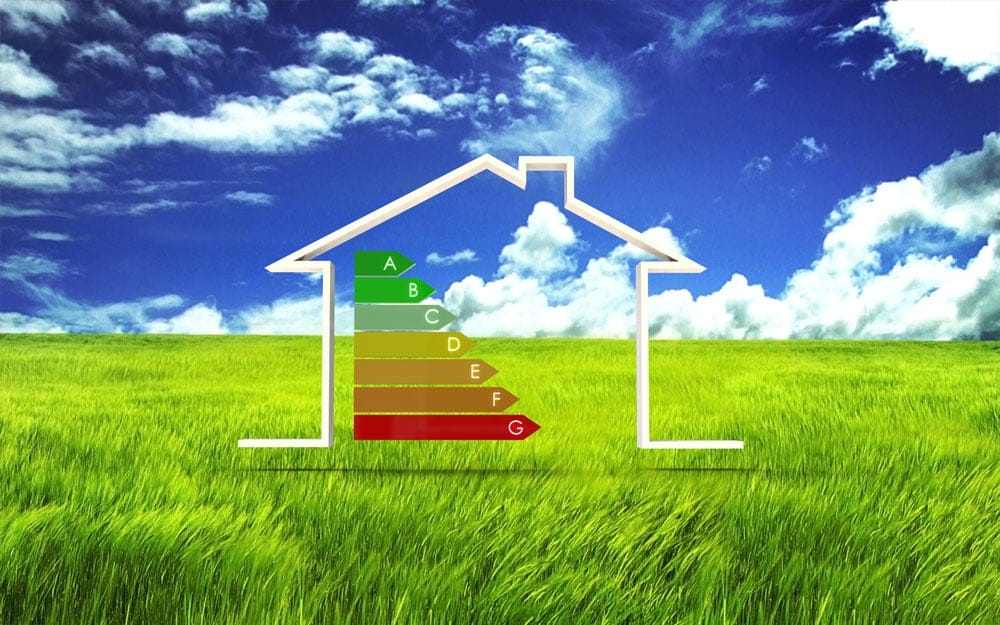



Why is an energy performance certificate important?
When selling or renting out a property, the Energy certificate indispensable. It is not only required by law, but also plays a decisive role for prospective buyers and tenants. The energy performance certificate provides important information on the energy efficiency of the property and enables potential buyers or tenants to better estimate future energy costs. However, not every energy performance certificate is the same: owners can choose between an consumption-orientated and a demand-orientated energy certificate. Which variant may be used depends on the specific characteristics of the property.
The two types of energy certificates
There are two main variants of the energy performance certificate, which take different approaches to assessing energy efficiency:
- Consumption-orientated energy certificate: This variant is based on the actual energy consumption of residents over the last three years. It is cheaper and easier to create as it is based on real consumption data. However, the result can depend heavily on the individual habits of the residents.
- Demand-orientated energy certificate: This certificate is issued on the basis of the structural characteristics of the property. Factors such as insulation, window quality and heating system are taken into account. As it is independent of usage habits, the needs-based certificate offers a more objective assessment of energy efficiency.
What requirements apply?
The choice between a consumption-orientated and demand-orientated energy performance certificate depends on the characteristics of the property:
- Consumption-orientated energy certificate: This variant may be used if the property has at least five residential units or was built after 1977 and meets the requirements of the 1977 Thermal Insulation Ordinance.
- Demand-orientated energy certificate: For smaller buildings with up to four residential units or for buildings that were constructed before 1977 and have not undergone refurbishment in accordance with the Thermal Insulation Ordinance, the needs-based certificate is mandatory.
Why is the energy performance certificate important?
The energy performance certificate offers numerous advantages to both owners and prospective buyers:
- Transparency: The certificate provides clarity about the energy quality of the property and makes weak points visible.
- Decision support: Prospective buyers can use the energy performance certificate to better calculate future energy costs and make more informed decisions.
- Legal certainty: As the energy performance certificate is required by law, it protects owners from possible fines and legal consequences.
How to obtain an energy performance certificate
The energy performance certificate must be drawn up by a qualified specialist. These include architects, energy consultants or engineers who have the necessary certification. The consumption-based certificate is generally quicker and cheaper to produce, while the demand-based certificate requires a detailed analysis of the property.
Conclusion: The energy performance certificate is an indispensable document when selling or letting a property. Whether consumption-orientated or demand-orientated - the choice depends on the characteristics of your property. With a valid energy performance certificate, you can offer prospective buyers and tenants the necessary transparency and create trust. Seek advice from an expert to help you choose the right option for your property and to ensure that your property
Consumption-orientated vs. demand-orientated energy performance certificate
The consumption-orientated energy performance certificate is cheaper, but less informative than the demand-orientated certificate. Here are the most important differences:
- Consumption certificate: Costs between 25 and 100 euros, based on actual energy consumption (heating and hot water consumption over the last three years).
- Requirement certificate: From around 500 euros, determines the theoretical energy requirement based on the construction method, insulation and technology.
Who can obtain a consumption certificate?
A consumption-orientated energy performance certificate can only be issued under certain conditions:
- Properties with five or more residential units.
- Buildings with up to four residential units if the building application was submitted after 1 November 1977.
- Older buildings that have reached the energy efficiency level of the 1st Thermal Insulation Ordinance of 1977 or have been modernised accordingly.
- The needs-based energy certificate is mandatory for all other buildings.
What should you pay attention to when creating it?
The energy performance certificate should always be issued by qualified experts such as energy consultants, architects, civil engineers or chimney sweeps. Make sure that your consultant is independent. A neutral property professional can help you make the right choice.