












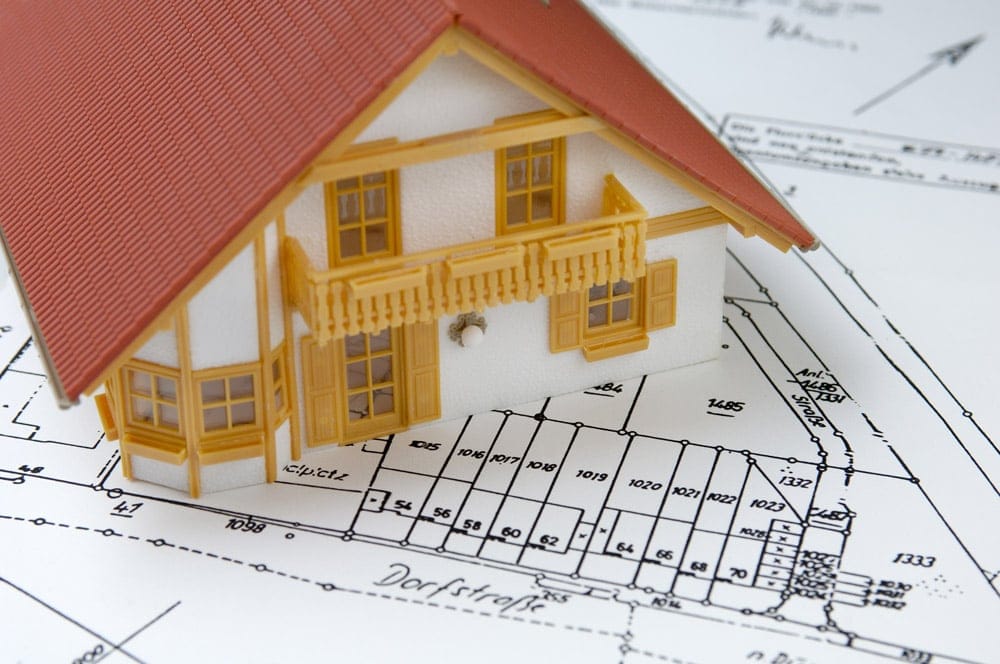



Material value method: Valuation for single-family homes
If you want to have the value of your property professionally determined, you should choose the right valuation method. The choice of method depends on the type of property and its use. For owner-occupied detached and semi-detached houses, the Asset value method particularly suitable. It provides a realistic assessment of the value by focussing on the structural and economic characteristics of the property. But how does this method work and when is it the best choice?
What is the asset value method?
The asset value method is a valuation method that determines the value of a property based on the costs that would be required to rebuild it in its current condition. Various factors are taken into account to ensure an accurate valuation:
- Construction costs: The construction costs of the property are calculated on the basis of current construction prices. This includes costs for materials, construction and technical equipment.
- Wear and tear: The condition of the property is analysed to take into account age-related wear and tear or modernisation.
- Property value: The value of the land is calculated separately and added to the asset value of the property.
When is the asset value method suitable?
The asset value method is particularly suitable for
- Owner-occupied property: Detached and semi-detached houses that are not used for capital investment are often valued using this method.
- Individual objects: Properties that cannot be compared with other properties, such as exclusive architect-designed houses or listed buildings.
- Real estate without profit orientation: The procedure is ideal if the property is not used to generate rental income.
Advantages of the asset value method
The asset value method offers some clear advantages:
- Objectivity: The valuation is based on comprehensible construction and property costs as well as an objective analysis of the condition.
- Individual consideration: The procedure takes into account the specific characteristics and features of the property, resulting in a realistic valuation.
- Independence from the market: In contrast to other methods, the value is not directly influenced by supply and demand.
Use professional support
An accurate valuation requires expertise and experience. A qualified valuer or property expert can apply the asset value method professionally and ensure that all relevant factors are correctly taken into account. They can also explain the results clearly and advise you on further steps such as sale or insurance.
Conclusion: For owner-occupied detached and semi-detached houses, the asset value method is a proven method for determining the property value realistically and independently of the market. With the support of an expert, you will have a sound basis for making informed decisions - whether for selling, financing or securing your property.
How does the asset value method work?
In contrast to the comparative or capitalised earnings value method, the land value is calculated separately from the building value in the asset value method. These values are then added together. The land value is often determined using the comparative value method, while the production or restoration costs are used for the building value.
Factors for determining the value of a building
The calculation of the building value includes
- Living space and building quality
- Equipment of the property
- Outdoor facilities such as terraces, garages or gardens
The calculated value corresponds to the construction costs that would be incurred for a new build in the same form. There are differences, for example, between a detached single-family home and a mid-terrace house, whose construction costs per square metre are set lower.
Wear and tear and remaining useful life
The depreciation of a property is determined by wear and tear and the remaining useful life. For residential properties, experts assume a total useful life of 80 years, whereby the value is reduced by 1.25 per cent per year. Example:
A property with calculated construction costs of 200,000 euros loses 25,000 euros in value in 10 years, so that the building value is 175,000 euros. With modernisations such as a new heating system, insulated windows and façade, the value can rise again and even reach new-build standard.
Market adjustment factor
Finally, the market adjustment factor is applied to set the asset value in relation to demand and comparable properties. Properties in rural, structurally weak regions often have a lower market value than properties in sought-after urban locations or metropolises.