












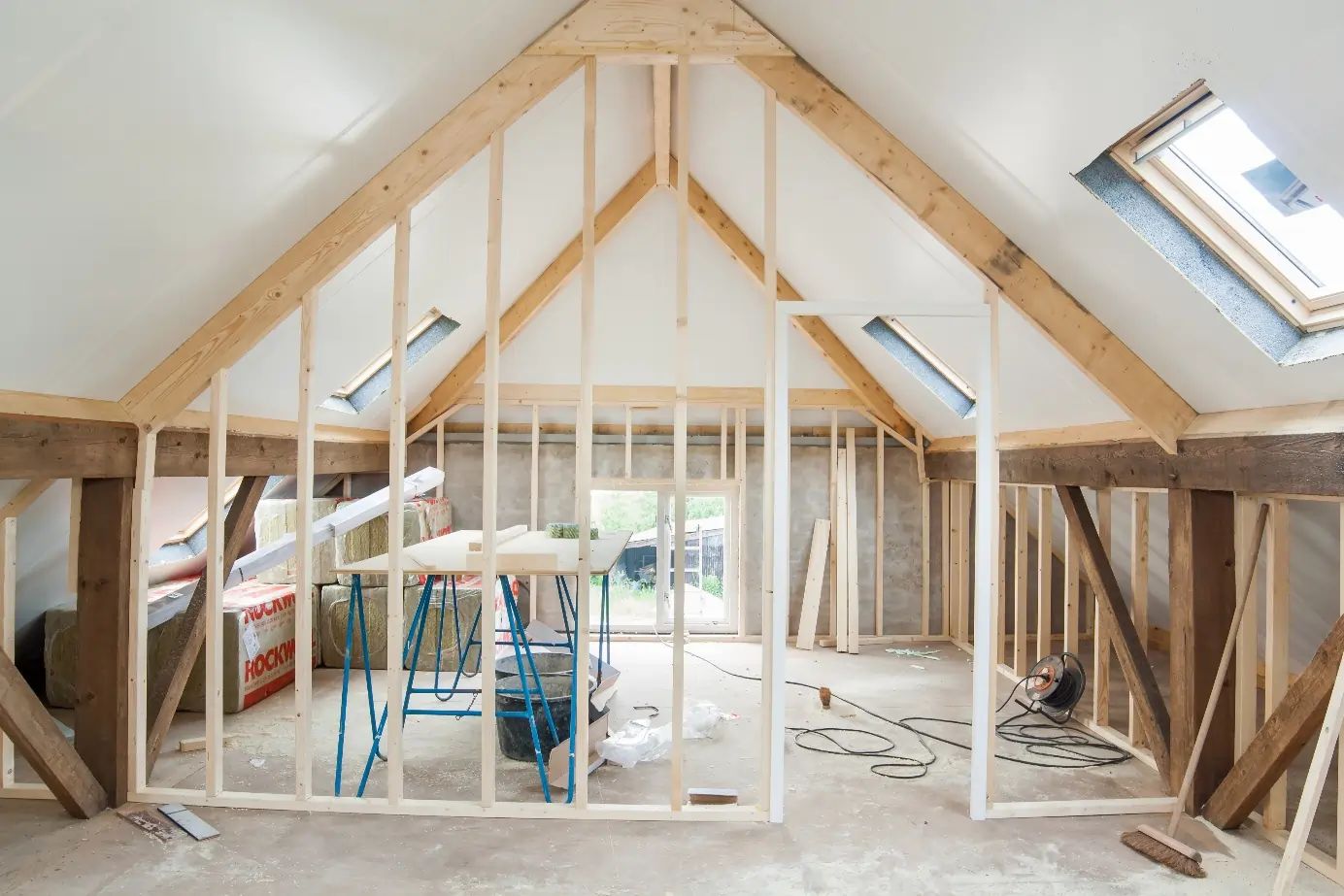



Solar systems for renovation or new build: when is the right time to install?
The energy revolution has long been on the rise - and more and more property developers and owners are considering solar technology when building or renovating their homes. But when is the best time to install a photovoltaic system? Directly when building a new home or later as part of a renovation project? And how can solar systems be sensibly combined with other energy systems such as heat pumps, electricity storage or wallboxes? In this article, we show you the differences, advantages and planning tips for solar systems in new builds and renovations.
New build vs refurbishment: a direct comparison
Solar system in a new build: efficient right from the start
New builds have clear advantages: The entire energy requirements of the house are planned from the ground up - this applies to insulation, heating, hot water and electricity consumption. A solar installation can be optimally matched to the roof orientation, roof pitch and energy system right from the start.
Advantages:
- No additional conversion costs or scaffolding required
- Technical infrastructure (e.g. cabling, meter, storage connection) can be provided directly
- Combination with heat pump and wallbox can be efficiently integrated
- Possibility of planning the house as a KfW Efficiency House and receiving state subsidies
Disadvantage:
- Higher initial investment - but with long-term savings
Solar system for renovation: utilising opportunities sensibly
In the case of refurbishment, retrofitting often involves more effort - but existing defects can be eliminated and energy-related weak points improved.
Advantages:
- Integration into already planned renovation work (e.g. roof renovation, heating replacement)
- Funding programmes specifically for renovating old buildings (KfW, BAFA)
- Opportunity to significantly reduce energy costs
Challenges:
- Technical inspection required (e.g. roof statics, electrical installation)
Greater coordination effort for individual trades
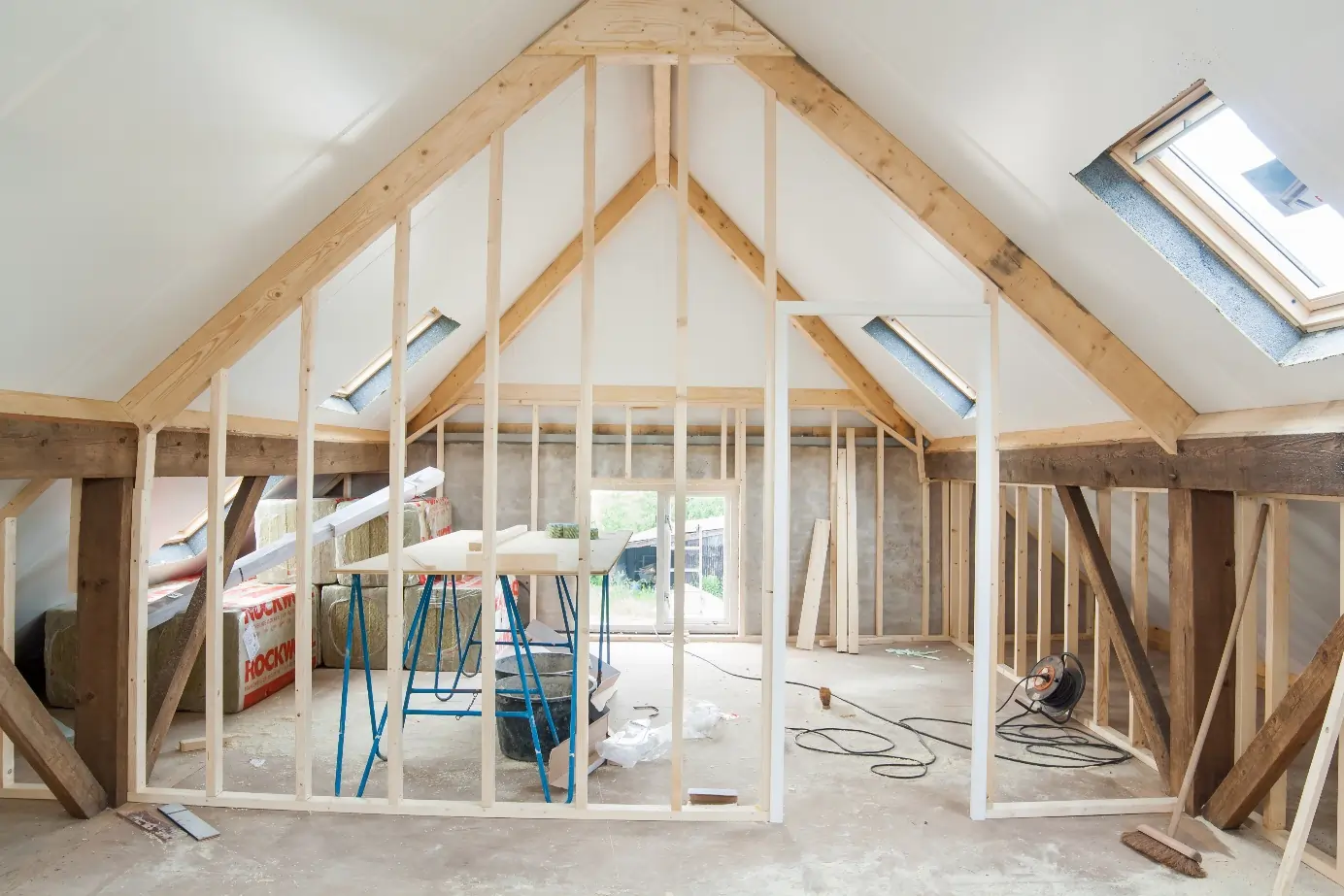
Timing & procedure: When should you plan the PV system?
In new builds: think ahead
Ideally, the photovoltaic system is already taken into account in the initial planning phase - together with the architect, energy consultant and the construction company carrying out the work.
Important dates:
- Construction planningCheck roof alignment, pitch and support structure
- Installation phasePrepare electrical installation, install empty conduits for solar cables
- Final phaseInstallation of the modules, connection of the inverter and registration with the grid operator
This allows the full potential of the system to be utilised without the need for expensive retrofitting at a later date.
When it comes to refurbishment: timing is everything
Good planning is also crucial for a renovation. It is best to combine the PV system with larger measures - e.g. a roof renovation, replacing the heating system or improving the building envelope.
Tip: Many subsidy programmes focus on holistic refurbishment (keyword: „individual refurbishment roadmap“). Those who combine several measures often benefit from better conditions.
Synergy effects: Cleverly combining PV with other technologies
A photovoltaic system only unfolds its full effect in combination with modern energy systems. Here are some examples of how you can get the most out of your PV system:
- Electricity storage: more self-consumption, more independence
- A storage system makes it possible to use electricity produced during the day in the evening or at night.
- The proportion of self-consumption can thus increase from around 30 % to over 70 %.
- Ideal in combination with dynamic electricity tariffs or emergency power function.
- Heat pump: electricity becomes heat
- The heat pump can also be operated with a PV system - ideal for heating and hot water.
- Self-consumption increases, the CO₂ balance improves.
- Particularly interesting for new buildings or well-insulated old buildings.
- E-mobility: your own power station for your car
- If you already drive an electric car or are planning to do so, you can use the PV system to supply the wallbox.
In combination with intelligent charging management (e.g. PV surplus charging), charging costs are significantly reduced.

Conclusion: The best time is the one that is well planned
Whether a new build or renovation - a solar energy system almost always pays off in the long term. In new builds, the technology can be integrated particularly efficiently and cost-effectively. However, retrofitting also makes sense for old buildings in many cases - especially if a renovation is due anyway.
It is important in both cases: Plan early, involve experts and utilise funding opportunities. Then the roof becomes not only a protection against rain, but also a sustainable contribution to the energy future.