
















Anyone modernising or extensively converting their own home will sooner or later be confronted with the question: Should the old windows also be replaced? While kitchens and bathrooms are often the focus of renovation projects, the issue of windows is often postponed - although this is where there is enormous potential for optimisation. Energy savings, improved comfort and increased value of the property.
Find out more in this article, When it really pays to replace windows, the advantages of modern windows and how you can make smart economic decisions.
Old windows - more loss than protection?
Windows are not only a source of light and a design element, but also an essential part of the building envelope. They protect against cold, heat and noise - but only if they are technically up to date.
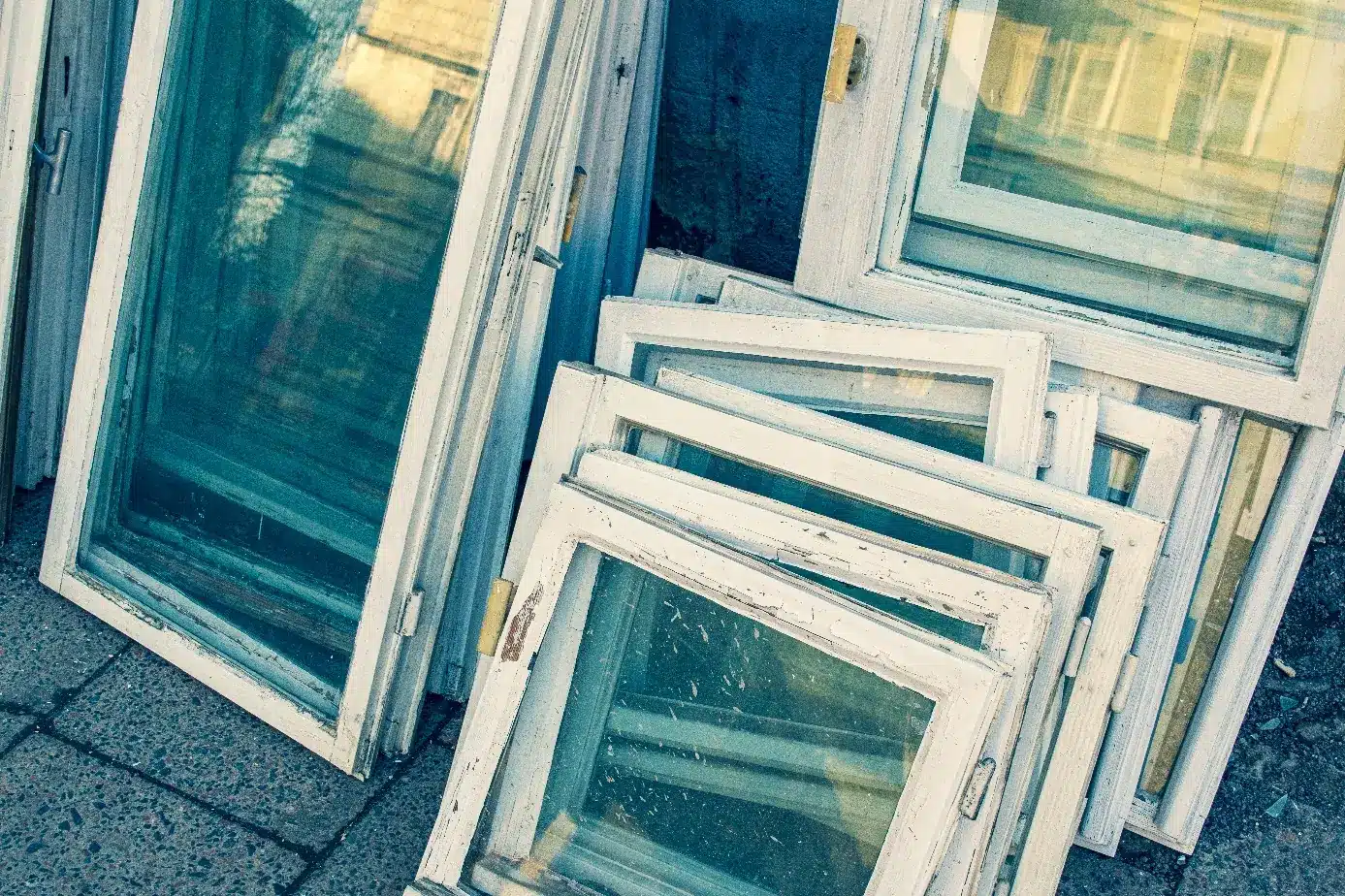
Old windows - especially those with single glazing or early double glazing - are often weak in terms of energy efficiency. They often have U-values (heat transfer coefficients) of 3.0 W/m²K or worse. By comparison, modern windows achieve U-values of less than 1.0 W/m²K.
When do you start talking about „old“?
- Single glazing → obsolete
- Double glazing before 1995 → insufficient energy efficiency
- Window frames made of wood or aluminium without thermal break → Thermal bridge
- Visible defects such as draughts, mould, damp window frames
In addition to energy-related weaknesses, old windows can also have Safety, sound insulation and ease of use can no longer keep up.
Energy saving & environmental aspect: lower heating costs, reduce CO₂
One of the most convincing arguments in favour of new windows is their energy efficiency. Round 20-25 % of the heating energy can be lost through outdated windows. So replacing them means hard cash - and fewer emissions.
Sample calculation:
A detached house with approx. 140 m² of living space and outdated windows consumes around 20,000 kWh of heating energy per year. New windows reduce this requirement - conservatively estimated - by 3,000 kWh per year.
At a price of €0.20/kWh (for gas or district heating), this results in annual savings of approx. 600 € - The trend is rising if energy prices continue to rise.
The replacement also reduces the CO₂ emissions of the house, which has a positive long-term effect on the property value and the environmental balance.

Increased comfort: more peace and quiet, more cosiness
Windows are also quality of life. Anyone who has ever lived on a main road knows that sound insulation is worth its weight in gold.
New windows offer:
- Effective noise protection, depending on sound insulation class
- Pleasant room temperatures, as there are no cold draughts
- No more fogging or condensation
- Better indoor climate thanks to modern ventilation systems or window rebate ventilation
In old buildings in particular, window replacement together with professional sealing ensures a significantly better quality of living. without losing the charm of the architecture.

Profitability calculation & subsidies: Is replacement worthwhile?
A common counter-argument: windows are expensive. True - but they pay off in the long term. Depending on the fittings, high-quality windows cost between 500 € and 1,200 € per piece. So a house with 12 windows comes to around €8,000-12,000.
On the other hand:
- Savings on heating costs (€ 500-900 per year)
- Increase in the value of the property (better energy class)
- More attractive sales opportunities
- Less maintenance required
- Subsidies, e.g. from KfW or BAFA
Funding opportunities:
- KfW funding programmes for energy-efficient renovation (e.g. loan 261 or grant 461)
- BAFA grants as part of the „Federal subsidy for efficient buildings (BEG)“
- Tax depreciation for owner-occupied residential property (up to 20 % over three years)
The return on investment depends on the heating technology, the condition of the old windows and the energy prices - but new windows often pay for themselves after 10-15 years.

When is the right time? Remodelling as an opportunity
If you're planning a renovation or conversion anyway, this is the perfect time to replace your windows. Because:
- Scaffolding and builders are on site anyway
- Wall openings are easier to customise
- New windows can be matched to the new insulation straight away
- Less dirt and coordination effort
Tip: If you want to insulate the façade, you should replace the windows beforehand or at the same time so that thermal bridges are avoided and the new building is technically „one piece“.

Additional benefits: Burglary protection, design, accessibility
Modern windows also offer other advantages:
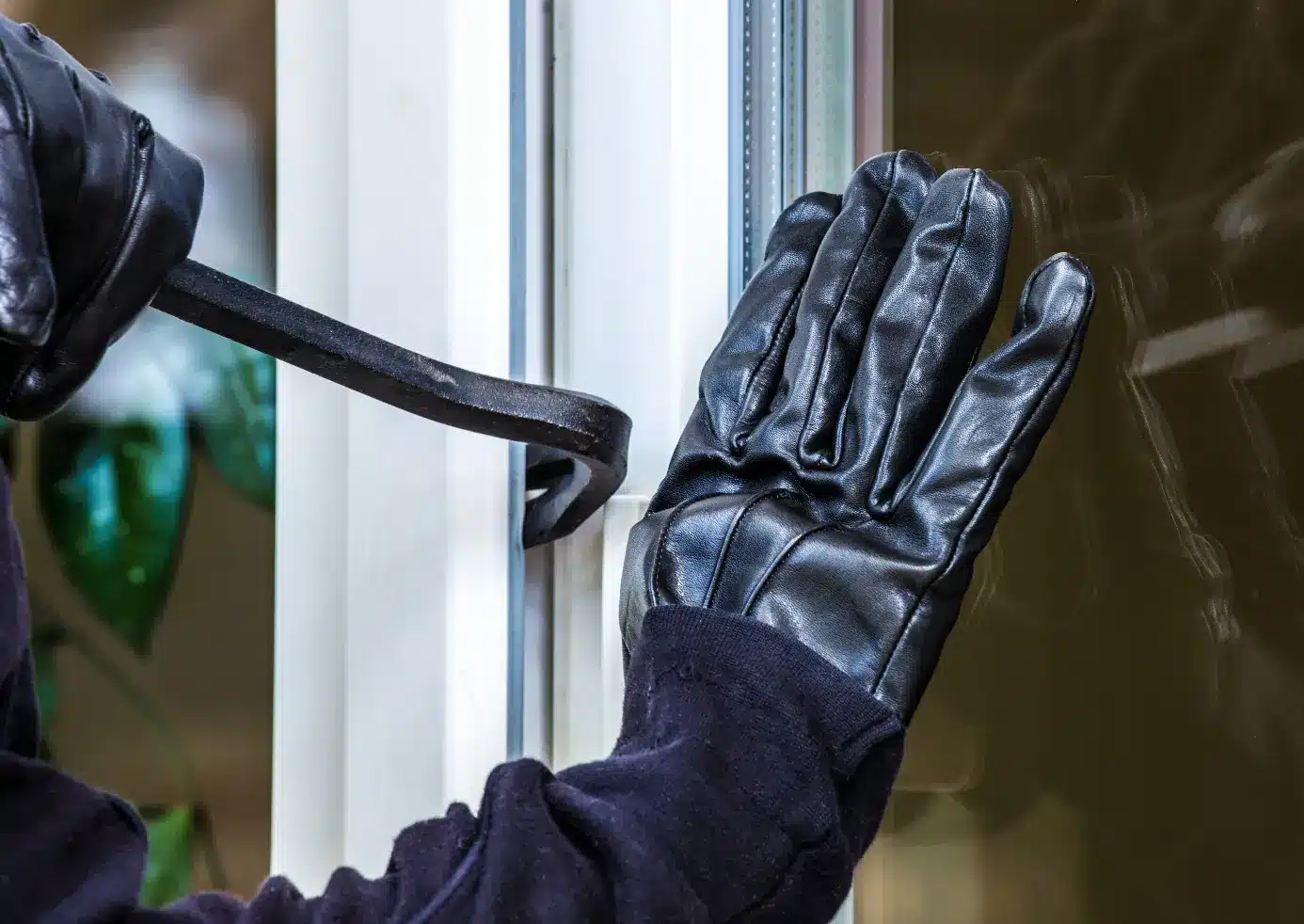
- Burglar resistancethrough security fittings (RC2/RC3)
- Barrier-free thresholdsfor balcony doors
- Elegant design with narrow frame profiles
- Individual colours, materials, wood-aluminium combinations
This means that you can not only improve the energy efficiency of a remodelling project, but also enhance the design.
Conclusion: Replacing windows - sensible when...
Your windows are older than 20 years
You feel high heating costs or draughts
Noise or poor thermal insulation bother you
You are planning a renovation or modernisation anyway
You want to increase the energy efficiency and value of your property
Windows are a central element of an energy-efficient house. They offer long-term savings potential, increase living comfort and improve the environmental balance. Properly planned - and possibly subsidised - replacing windows during a renovation can be one of the best investments of all.
Checklist: Replacing windows when remodelling - step by step
1. inventory
Determine the age of the existing windows
Check type of glazing (single, double, insulating glazing)
Assess the condition of the frames (wood, plastic, aluminium)
Are there draughts, condensation, mould or condensation?
Evaluate thermal insulation and sound insulation
Analyse security aspects (e.g. burglar resistance)
2. planning & consulting
Decision: individual replacement or complete replacement of all windows?
Consult an energy consultant or architect
Clarify requirements for sound insulation, thermal insulation and burglary protection
Design & material selection (e.g. wood, plastic, aluminium, wood-aluminium)
Check requirements for accessibility or monument protection
Check funding options (KfW, BAFA, tax bonus)
3. budget & financing
Calculate costs per window (incl. installation and disposal)
Estimate total costs (incl. scaffolding, rework, etc.)
Prepare and submit funding applications in good time
Plan for financing / loan or subsidy
4. selection & realisation
Compare providers and obtain quotes
Select windows with suitable U-values (≤ 1.0 W/m²K)
Define sound insulation and safety class
Coordinate installation time (especially for façade work)
Consider ventilation concepts (e.g. window rebate ventilation)
Include window sills, roller shutters or sun protection in the planning
5. after installation
Check tightness and function of all windows
Receive installation protocol from specialist company
Accounting for funding / retaining certificates
Document energy savings (e.g. by comparing heating costs)
Observe maintenance intervals and care instructions