













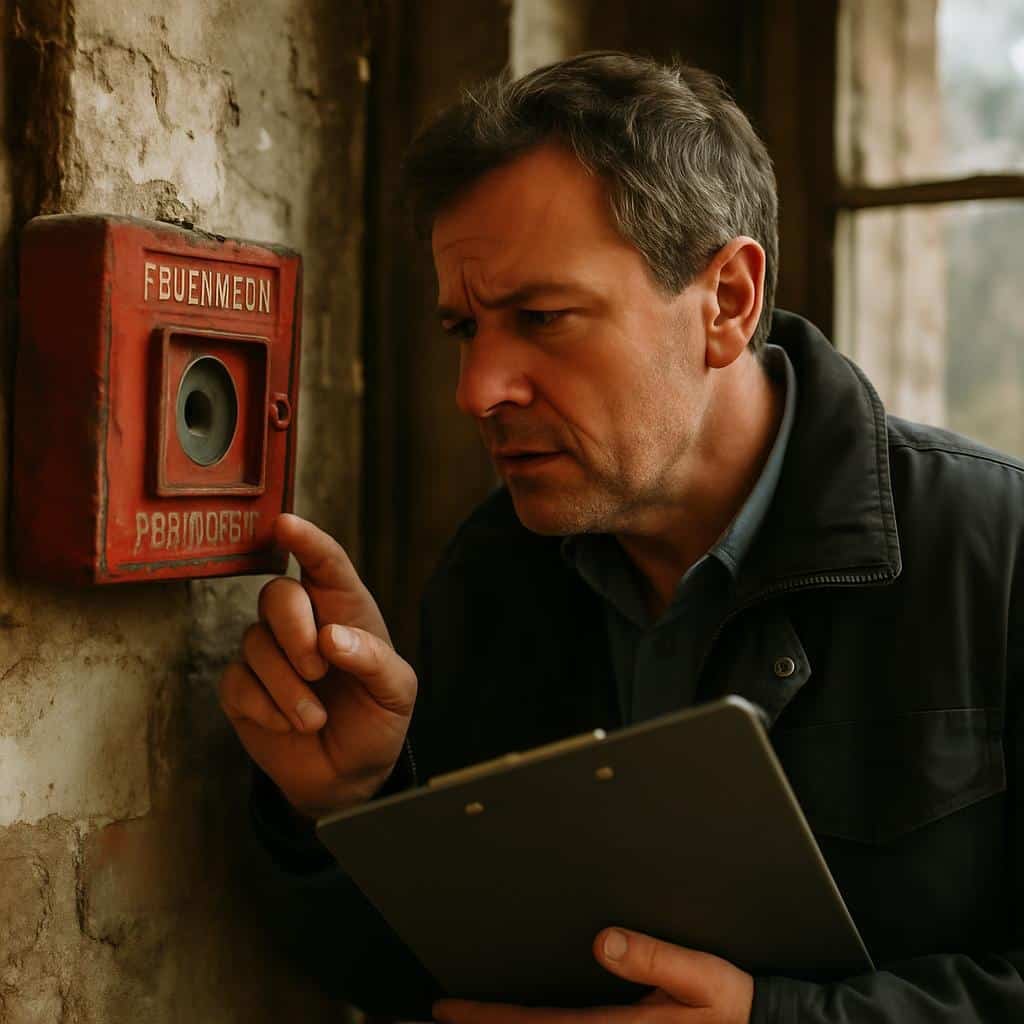



Fire protection in existing buildings: Why managers are now particularly challenged with old buildings
The property stock in Germany is ageing - and with it the requirements for professional fire protection management are growing. For property managers and condominium administrators, this means recognising risks, minimising liability and safeguarding values. Historic constructions, subsequent conversions and mixed use buildings in particular come up against current standards. Taking structured action now protects residents, owner capital and the insurability of the property.
Legal framework in brief
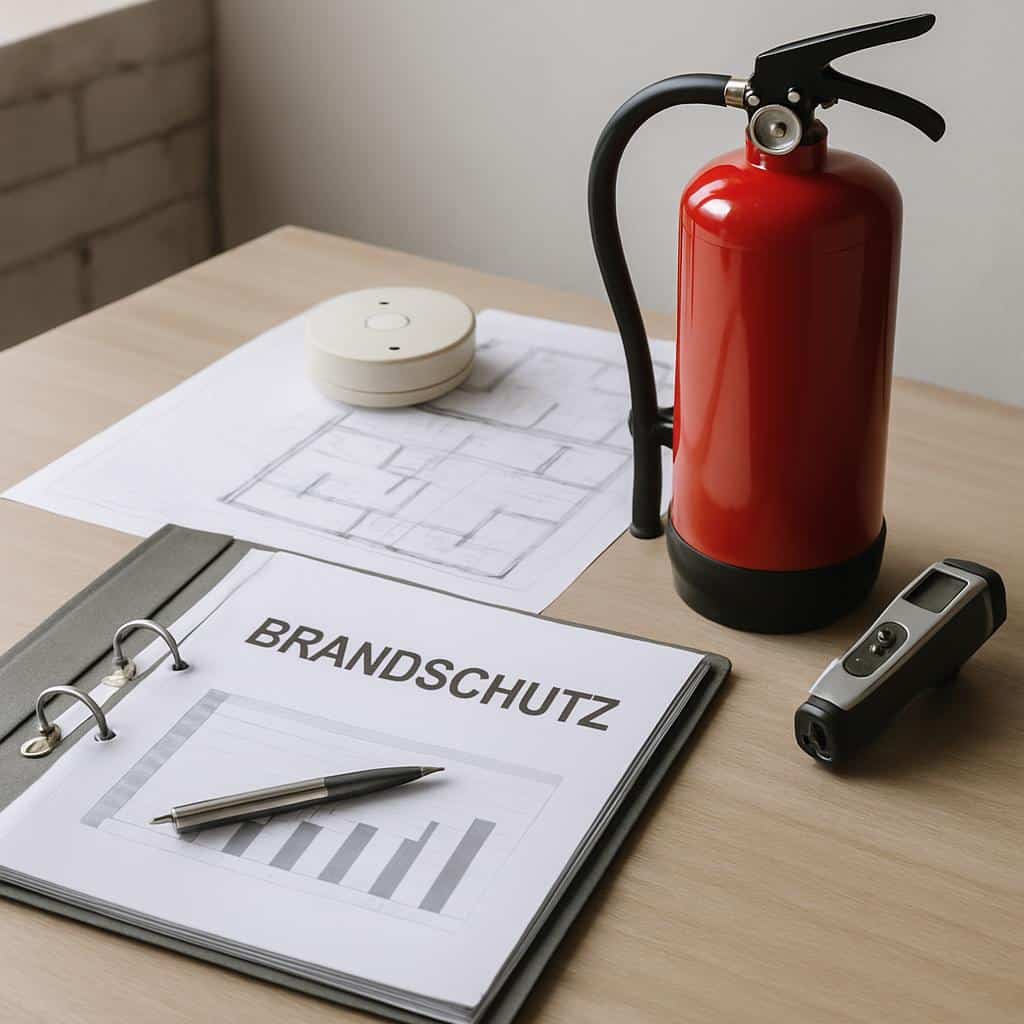
Fire protection in existing buildings is governed by the building regulations of the federal states (state building regulations) and general operator obligations (duty of care). Protection of existing buildings does not mean a standstill: if uses are changed, components replaced or significant defects identified, today's requirements often apply. Insurers also require proper maintenance, documentation and appropriate risk provisioning.
- Risk assessment of the property (stairwells, roof truss, pipework, plant rooms)
- Documentation (test books, maintenance certificates, fire protection regulations in accordance with DIN 14096)
- Maintenance of smoke alarms, SHEVS/ventilation, fire doors, fire extinguishers (by experts)
- Instruction/information of residents and users, labelling of escape routes
- Deadline management for recurring inspections and defect rectification
- Coordination with authorities/fire brigade for relevant conversions or deviations
Special features of old buildings: where managers should take a close look
Old buildings have substance and charm - but they harbour typical risks in terms of fire protection. There are often wooden beam ceilings with unknown fire resistance, retrofitted pipes without professional fire insulation, stairwells that are built over or non-self-closing flat entrance doors. Mixed commercial and residential buildings also require increased attention to escape routes and technical installations.
Proven in practice: Proceed component by component (basement/climbing zones, stairwell, floor areas, attic) and check the interfaces: Openings, penetrations, doors. Depending on their use, doors should at least be self-closing and self-sealing; for higher requirements, T30/T90 fire doors are an option. Fire resistance classes apply to building components (e.g. F30/F90; specific requirements depend on national legislation and building class).
Instant inventory check - prioritise instead of getting bogged down
Instant check (60 minutes)
1) Escape routes clear? Stairwells, cellar corridors, attics free of fire loads and lockable grilles.
2) Doors intact? Flat doors close automatically; plant room doors close, fittings ok.
3) Detection available? Smoke alarms in all bedrooms, children's rooms and corridors leading to common rooms (in accordance with state law). Function test.
4) Keep an eye on the electrics? Distributors closed, no temporary multiple sockets in the stairwell.
Mini calculation example: 10 flats × 3 detectors = 30 detectors. Material approx. 20 € + installation 35 € = 55 € per detector. Total ~ € 1,650; annual inspection (assuming € 10/detector) ~ € 300/year. Manageable expense - risk significantly reduced.
Practical tips for economic implementation
Fire protection must be planned and affordable. Managers are convincing when they sort measures according to risk and cost-benefit: first ensure escape routes, then reduce ignition sources and fire loads, then tackle structural defects (bulkheads, doors). Funding is limited for fire protection; however, it is worth bundling this with repairs that are already planned (e.g. modernisation of wiring, staircase refurbishment).
- Prioritise according to impact: Escape route clear and smoke alarm first - immediate safety gain.
- „Take away if open“: When carrying out electrical or sanitary work, retrofit penetration seals (mineral fibre plugs/fire protection sleeves).
- Bundle maintenance contracts: Order SHEVS, doors, extinguishers together; saves journeys and coordination.
- Communication with residents: clear house rules (no pushchairs in the stairwell), information notices, brief instructions.
- Documentation routine: File each inspection directly in digital form; store defects with deadline and person responsible.
Typical mistakes - and how to avoid them
Common errors
1) „Grandfathering protects everything“: Incorrect. Retrofitting is due in the event of a change of use, significant modification or recognisable hazards. Solution: Document changes, involve specialist planners/authorities at an early stage if in doubt.
2) Open cable glands in stairwell walls. Solution: Use penetration sealing systems with approval (e.g. fire protection foam/sleeve), photo documentation.
3) Fixed wedges on smoke protection doors. Solution: Maintain self-closing mechanism, retrofit electric hold-open system with smoke detection if necessary.
4) Paper documents scattered around. Solution: Central digital inspection book plus notice „Escape routes & behaviour in the event of fire“.
Documentation: What belongs in the property file
The best measures are only effective if they can be proven. Traceable test and maintenance records are required as a minimum. For larger properties or those open to the public, fire safety regulations in accordance with DIN 14096 are recommended. Escape and rescue plans and fire brigade plans depend on the use and state law, but should be checked.
- Risk assessment/assessment with photo gallery
- Maintenance logs (smoke alarms in accordance with DIN 14676, fire extinguishers in accordance with DIN EN 3, SHEVS, doors)
- Overview of technical systems (year of construction, type, inspection intervals)
- Fire protection regulations part A/B/C (if required)
- Plans: Escape and rescue plan, fire brigade plans if applicable
- Plan of measures and deadlines incl. cost estimate and award protocol
When external specialists are needed
As soon as fire protection-relevant components are changed (e.g. breakthroughs in fire walls, new pipework in the stairwell) or in special circumstances (listed building, mixed use, large number of residents), it makes sense to involve a specialist fire protection planner. Experts also create planning security when dealing with SHEVS, fire alarm systems or pipework guidelines (LAR) and avoid expensive mistakes. Assumption: In properties from approx. building class 4/5 and for special uses, the formal requirements increase significantly - seek advice in good time.
Conclusion: Understanding fire protection as a value driver
Professional fire protection in existing buildings is not a cost sinkhole, but an investment in safety, legal certainty and lettability. Managers who take a structured approach reduce liability risks, stabilise insurance conditions and create trust among owners and tenants. Prioritisation, clean documentation and reliable deadline management are crucial - with a sense of proportion for the special features of old buildings.
Would you like to make your portfolio fit for the future quickly and legally compliant?
We draw up a practicable inventory, prioritise measures and accompany the implementation - transparent, calculable, without detours.